Hui Culture
Introduction to Hui Culture
Hui culture is a distinctive cultural heritage that originated in Huizhou region, now corresponding to the modern-day cities of Huangshan, Xuancheng and Chizhou in Anhui province. It is renowned for its rich traditions in the arts, architecture, carvings, cuisine and scholarly pursuits.
Historical Background
Historically, Huizhou was a prosperous region known for its merchants, who played a crucial role in the development of Hui culture. The prosperity gained from trade, particularly in salt, tea and ink, allowed the Huizhou people to invest in art, education and architecture, leading to the flourishing of Huizhou culture during the Ming (1368-1644) and Qing (1644-1911) dynasties.
The merchants of Huizhou were not only shrewd in business but also patrons of the arts and literature. This patronage led to the development of unique art forms such as Hui inkstick manufacturing, Hui-style houses, and the renowned "four treasures of study" — paper, ink, brushes and inkstones. These elements became integral to the scholarly and artistic traditions of Hui culture.
Architectural Heritage
One of the most enduring aspects of Hui culture is its architectural heritage, characterized by the unique style of Hui-style buildings. These structures are known for their elegant white walls, dark tiles and horse-head eaves. The architecture emphasizes functionality while maintaining an aesthetic appeal, reflecting the socio-economic status of their owners.
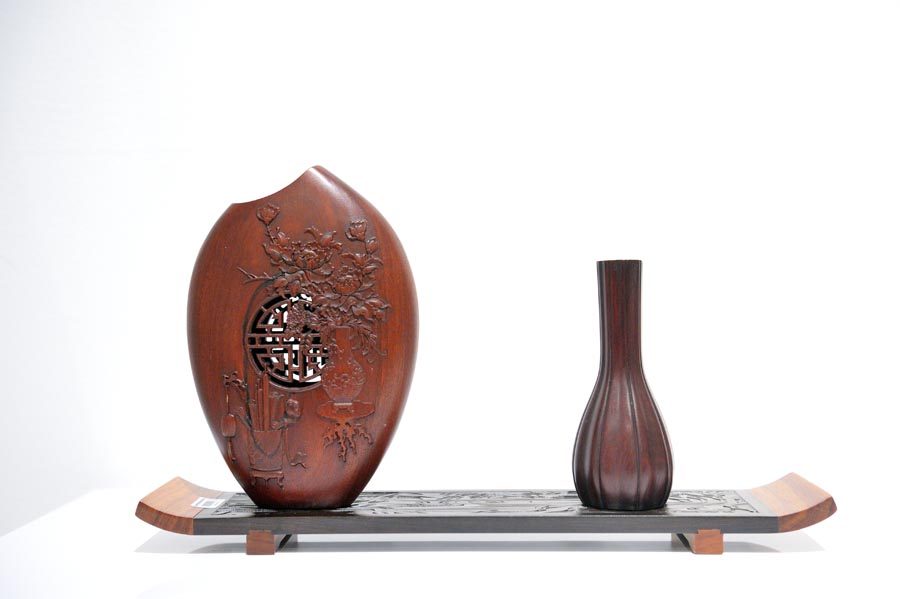
Hui-style buildings are often adorned with exquisite carvings, including brick, wood and stone carvings, which showcase the craftsmanship and artistry of the Hui people.
The preservation of ancient Hui-style buildings, especially in places like Huangshan, offers insight into the sophisticated design and construction techniques developed by the Hui people. These buildings are not only residential spaces but also cultural symbols that represent the affluence and cultural richness of ancient Huizhou.
Hui Cuisine
Hui cuisine is one of the eight major culinary traditions in China. It originated in Huizhou and is deeply rooted in the local culture and environment. Hui cuisine is known for its use of natural ingredients from both land and sea, with a strong emphasis on preserving the original flavors through methods such as stewing, braising and roasting. The cuisine is renowned for its rich, hearty flavors, often achieved through slow cooking techniques that allow the ingredients to fully develop their taste profiles.
Artistic Traditions
Hui culture has a long-standing tradition in the arts, particularly in calligraphy, painting and carving. The region has produced numerous renowned scholars, artists and craftsmen who have contributed to the richness of Chinese art and culture.
One of the most notable artistic traditions is Hui-style carving, which includes brick, wood and stone carving. These carvings are characterized by their intricate designs and high level of detail, often depicting historical figures, opera scenes and classical gardens.
The art of Hui carving has been preserved by dedicated craftsmen who continue to pass down their skills through generations. Efforts to maintain these artistic traditions are seen in workshops, exhibitions and cultural events that celebrate the legacy of Hui artisans and their contributions to Chinese heritage.








